
More Than Just Moving Wood
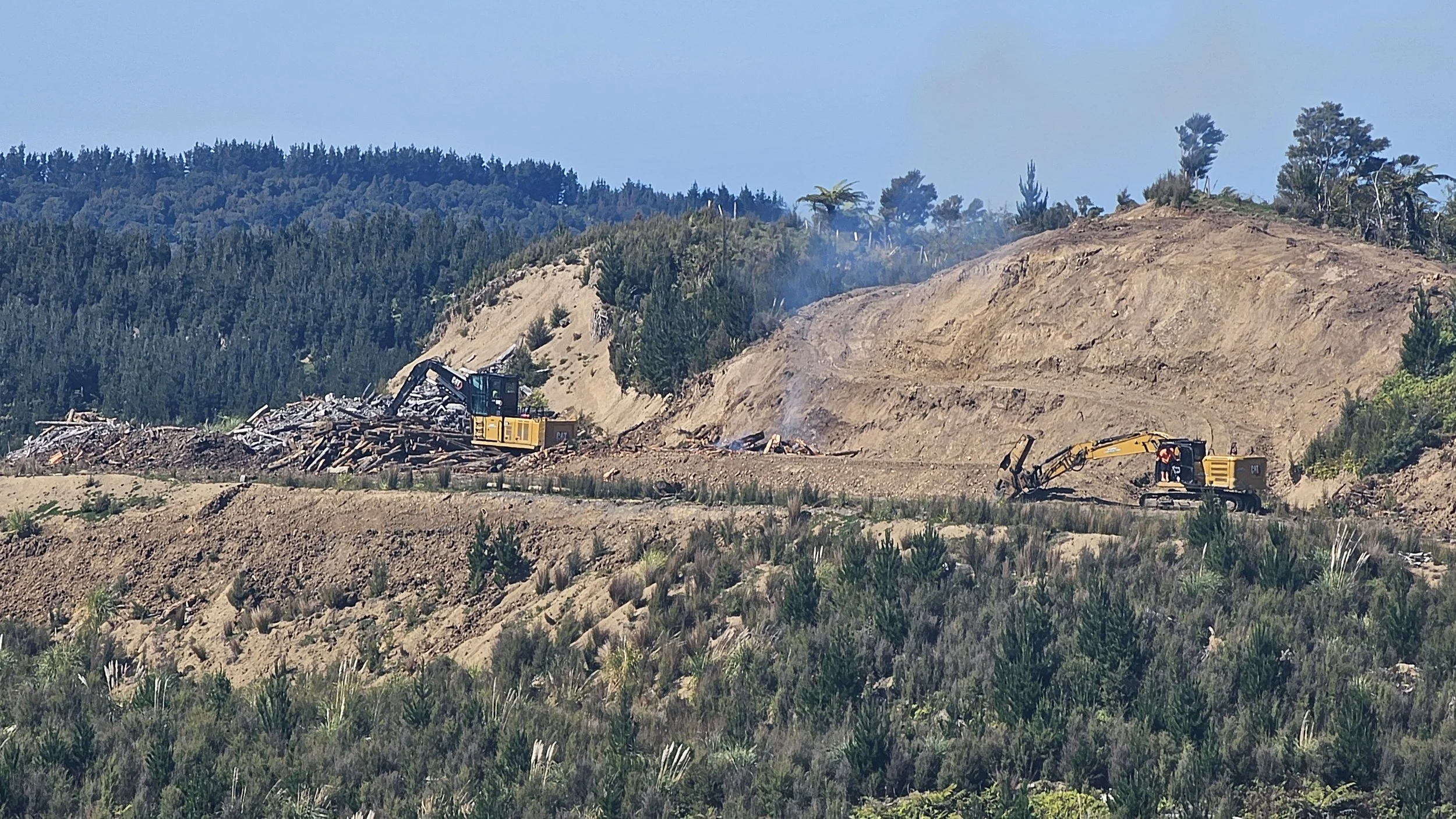
Inside the Rukuata LWD Project
When most people think about forestry, they picture harvesting crews, skidders, loaders and log trucks moving timber from the forest to market.
What many don't see is the important work that happens after the harvesting crews have moved on.
At Rukuata Forest, Kuru's Large Woody Debris (LWD) team has been carrying out work that is becoming an increasingly important part of modern forestry throughout Te Tairāwhiti. The team has remained active at Rukuata throughout 2026 after previously supporting flood recovery works in Matakaoa earlier this year.
What Is Large Woody Debris?
Large Woody Debris, often referred to simply as LWD, is the woody material that remains in a forest following harvesting operations.
Following major storm events such as Cyclone Gabrielle, the management of forestry debris has become a major focus across the East Coast. Communities, landowners, forestry companies and contractors have all been working toward improving how woody debris is managed and reducing future risks to waterways, infrastructure and communities.
While forestry has long played an important role in supporting jobs and economic activity across the region, expectations around environmental management continue to evolve. Modern forestry now requires a stronger focus on managing environmental risks alongside timber production.
More Than Just Cleanup
The work taking place at Rukuata is about much more than simply moving wood.
Projects like these help forestry operations:
Meet modern environmental expectations.
Improve forest management outcomes.
Reduce potential risks during future storm events.
Support the long-term sustainability of forestry operations.
Protect surrounding waterways and landscapes.
The work can be physically demanding and often takes place in remote parts of the forest where conditions constantly change.
The People Behind the Project
Like many Kuru projects, the real story is the people.
The Rukuata crew spends long days working in challenging environments, often well away from the public eye. While the work may not attract the same attention as harvesting operations or large civil projects, it remains an important part of the wider forestry picture.
The project has been supported by local workers and subcontractors who continue contributing to forestry recovery and environmental management efforts across the region. Earlier in the year, the team also supported flood recovery work in Matakaoa before continuing operations at Rukuata Forest.
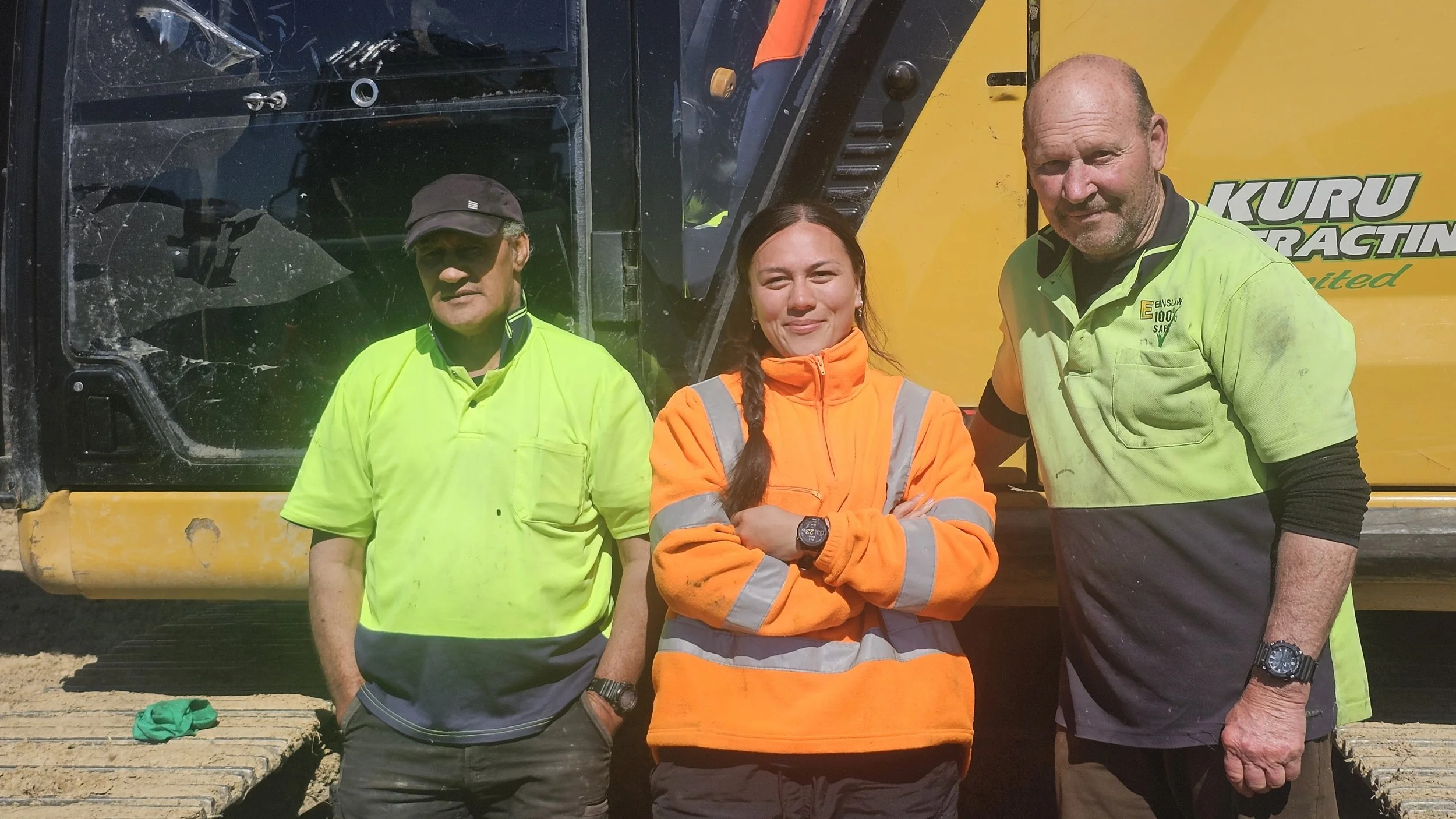
L-R: John Hovell, Keilah Brooking-McClutchie and Kevin Henry (Foreman).
A Different View of Forestry
Working in remote locations also comes with moments that remind us why we love what we do.
One of those moments was captured by Keilah Brooking-McClutchie, whose sunrise photograph taken at Rukuata Forest was entered into September's Spring into Action SHOTZ Challenge.
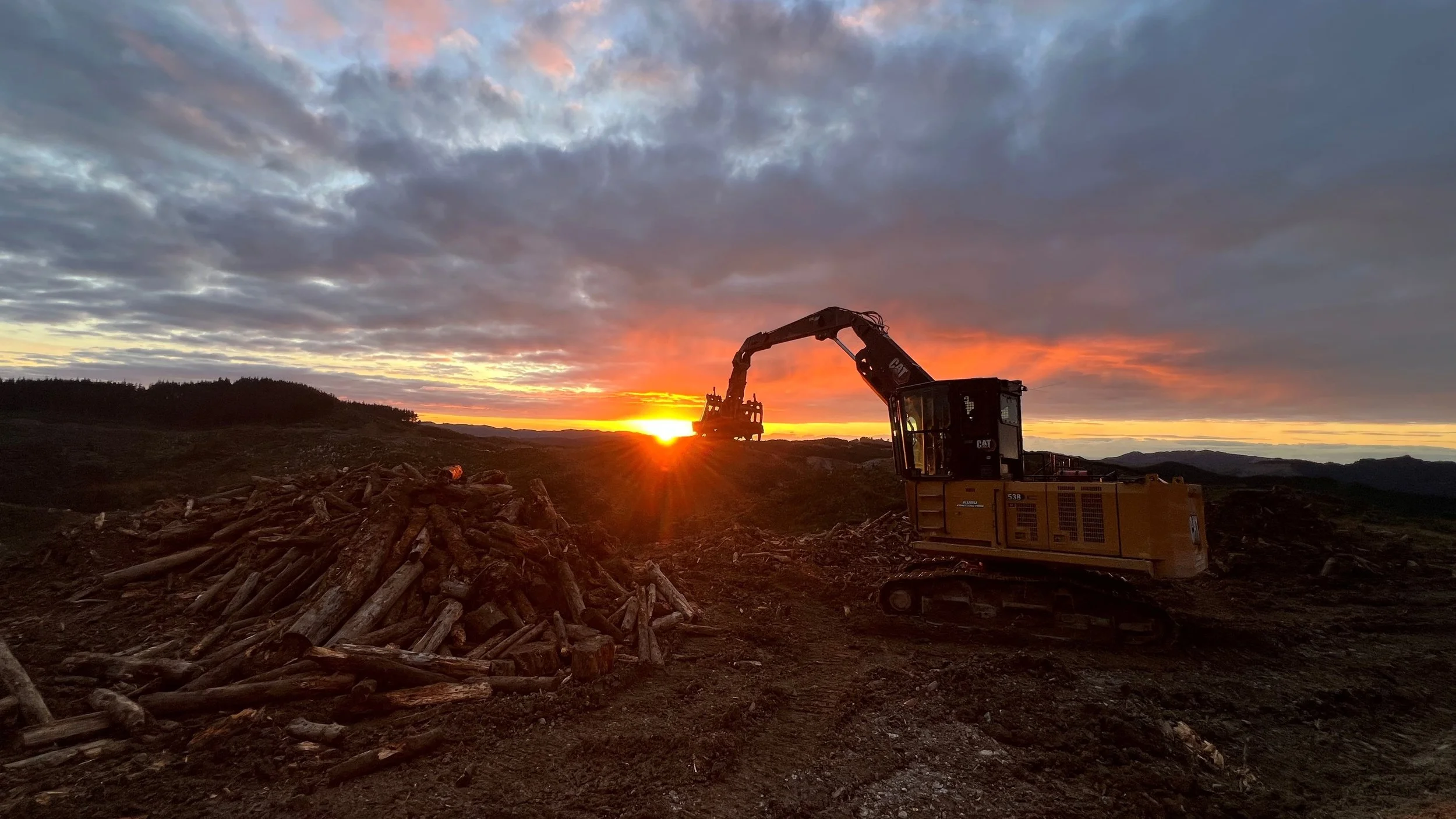
The image provides a different perspective of forestry and highlights the incredible environment many of our crews work in every day.
Looking Ahead
Forestry continues to evolve, and projects like Rukuata demonstrate how the industry is adapting to meet changing environmental expectations while continuing to support local jobs, families and communities.
While the work of the LWD team may happen quietly behind the scenes, it remains an important part of helping shape the future of forestry across Te Tairāwhiti.
A huge thank you goes to the entire Rukuata crew and the subcontractors supporting this project and the many across our region. Your work might not always make the headlines, but it is helping build a stronger and more resilient future for our region.